An old house. A living story.
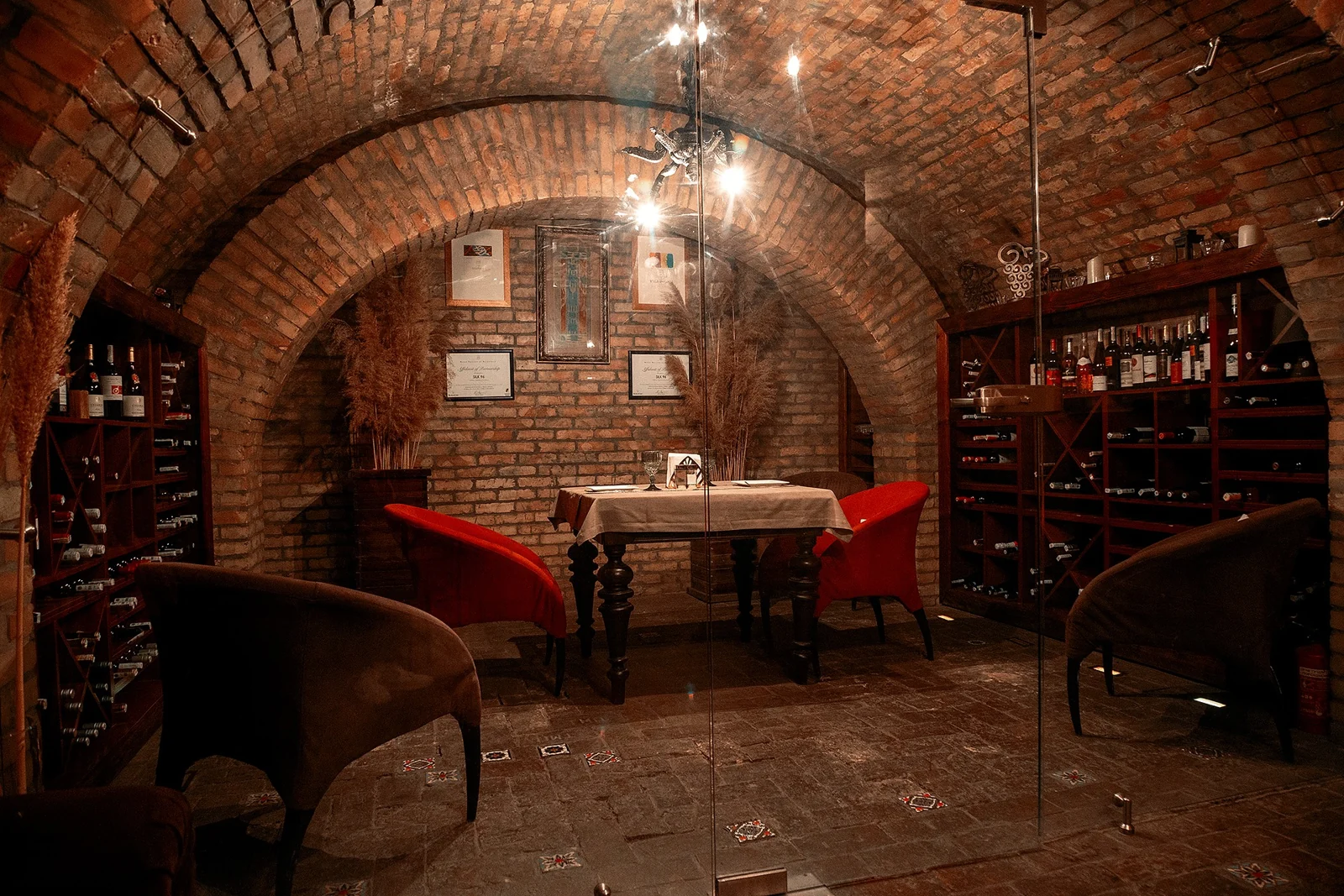
A pre-revolutionary house dating approximately to 1896. Divided in the 1950s and reunited in 2012, its historic cellar, brickwork and surviving details remain part of SILK96.
A late 19th-century house
The house is dated approximately to 1896. According to the owner, this estimate is based on archival records of development in the neighbourhood and the historical context described by Boris Golender.

Merchant Darhan
After Tashkent became part of the Russian Empire, Darhan developed into one of the quiet merchant neighbourhoods of the “new city”. Traders, officials, entrepreneurs and intellectuals settled here. Brick mansions with deep cellars, gardens and outbuildings shaped this part of the city. Local historian Boris Golender wrote in detail about these people’s daily lives, customs and destinies in his book “Moi gospoda tashkenttsy”. He describes late 19th- and early 20th-century Tashkent as a city of merchants, engineers, wine suppliers and artisans, who created a distinctive atmosphere where the Empire met the East. Silk 96 belongs to this historical fabric.

The cellar — a working heart
A deep brick cellar had a practical purpose: its coolness helped preserve food and seasonal provisions. We do not know precisely how this cellar was used more than a century ago. Today, wine is stored here.
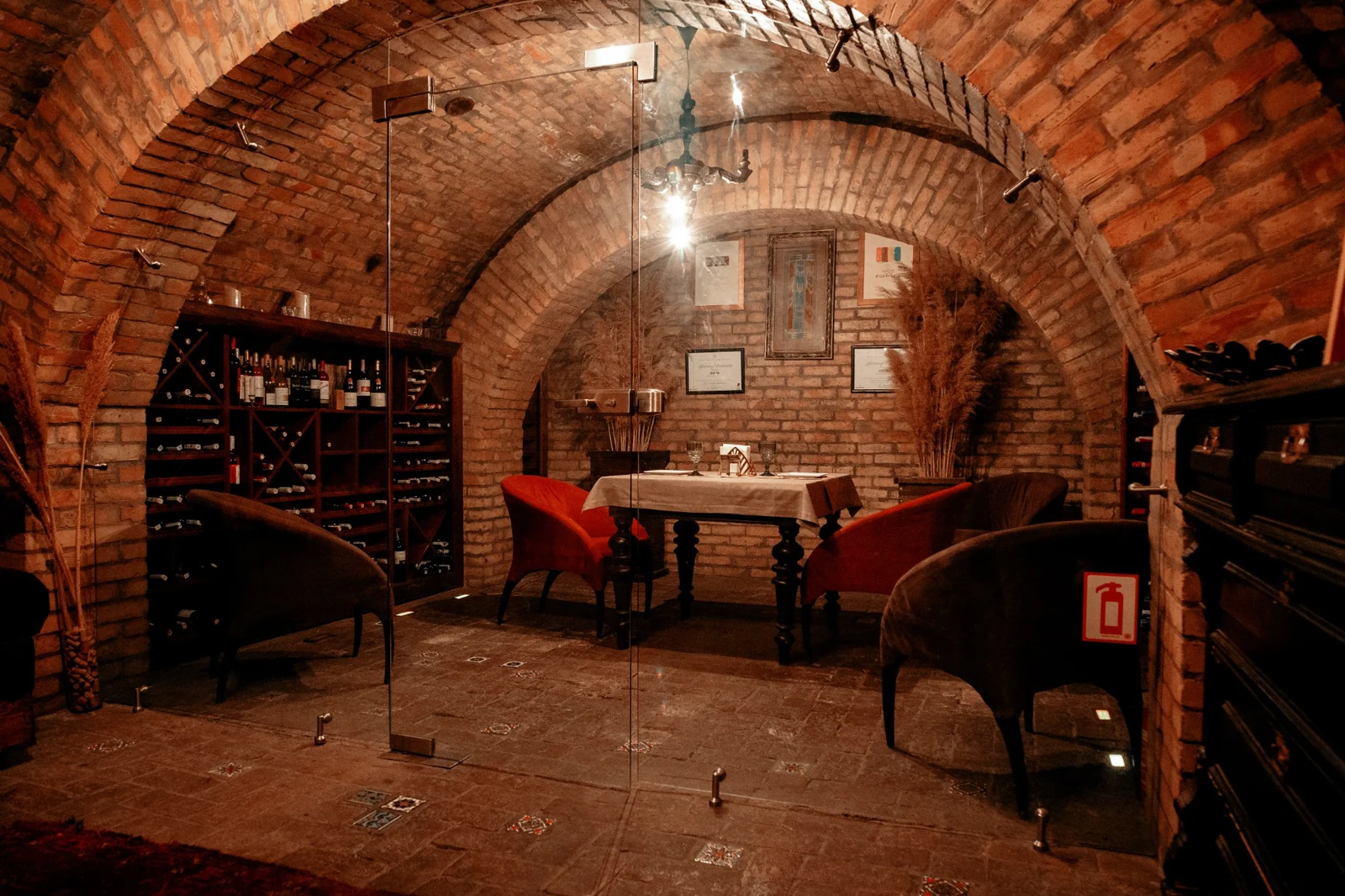
Original brickwork
The original bricks preserve the material history of the house. The “Т” stamp remains an unresolved marking: its meaning and the brick manufacturer have not been established.

Divided, then reunited
The house was divided in the 1950s and reunited in 2012. Surviving furniture and details connect its past to the restaurant’s life today.

The house today
Wine rests in the cellar. Seasonal preserves are made in the kitchen. Guests gather around the tables. The house’s story continues in everyday life at SILK96.
An old house. A living story.